
What happens if land fails a perc test?
SepticFactsPublished Updated
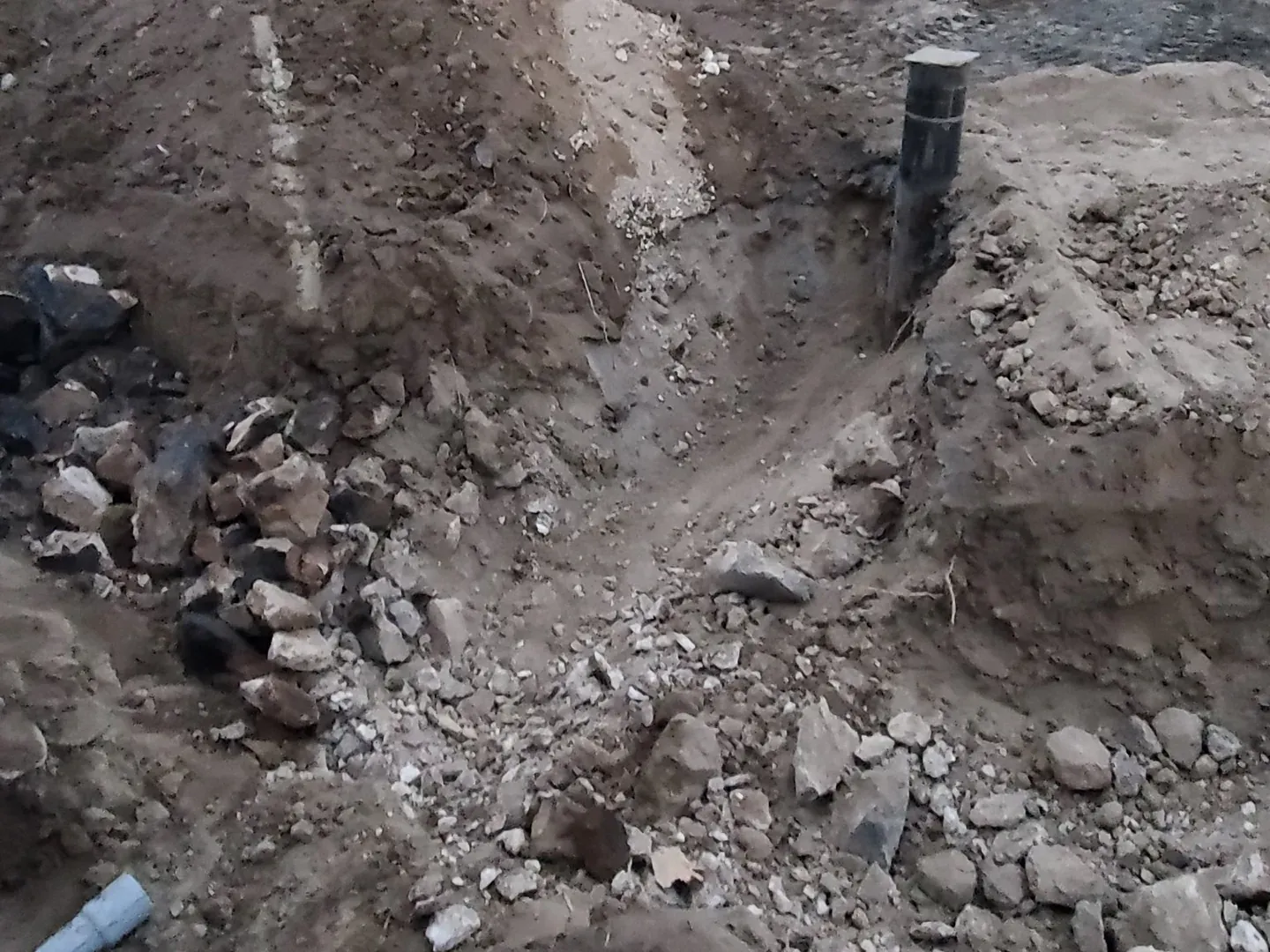
When land fails a perc test, it typically means the soil at the tested spot is slowly permeable or fast-draining, which makes a conventional drainfield (the area of soil that absorbs the system’s wastewater) a poor fit there. A soil evaluation can also find high groundwater, shallow rock, steep slope or too little room. Options may remain: ask the agency that issues septic permits where the lot is (often the county health department).
What would cause a perc test to fail?
In Nebraska, for example, a perc test measures how long water in a test hole takes to drop 1 inch, and Nebraska guidance treats a rate slower than 60 minutes per inch or faster than 5 minutes per inch as unsuitable for a conventional soil absorption system, the trenches or bed that spread wastewater into the soil.1 Other states and counties may use other numbers, so check with that agency.
A soil evaluation can find limits beyond the perc rate. Both the University of Minnesota’s septic program and Virginia Cooperative Extension treat saturated soil, a seasonal high water table or shallow rock as limits for a septic system.2 NC State Extension and the U.S. Environmental Protection Agency both list site slope and lot size among the factors that affect which septic system a lot can use.3
Soil can change from one part of a lot to another. Mapped soil data is county-scale, unmapped pockets of different soil exist, and results can differ at the actual drainfield spot.
Can you build on land that failed the perc test?
Sometimes. Land where a conventional drainfield is not a fit may be able to use a different type of system. The U.S. Environmental Protection Agency and Virginia Cooperative Extension both describe mound systems as a way to work around site conditions that limit a conventional system.4 Both also describe sand or media filters and aerobic treatment units (modular treatment units, sometimes called package plants) as other types of system.4
Whether an alternative system fits a given lot is a question for that agency. How a mound works is covered in What is a mound septic system?.
How can you fix land that won’t perk?
The options above change the system, not the soil. Ask that agency what options exist for the lot, what each would need and who would design it.
What does it mean if you are buying the lot?
Ask that agency before you commit: what testing it requires, how long it takes and when it can be done. What testing may cost is covered in How much does a perc test cost?, and how the test and the soil evaluation work is covered on the perc test and soil evaluation page.
It helps to have the conversation in plain steps. Ask which test or evaluation that agency requires on the lot and who may run it. Ask what the result means for the kind of system the lot can use. Ask whether that agency allows more than one type of system there, and what design and permit steps would follow for each. Write down the answers and the name of the person who gave them.
If you are comparing lots, the same questions apply to each one. Soil can differ from one lot to the next, so a lot that looked simple from the listing may need a different kind of system than the one next to it.
A SepticFacts Red flag means a local rule SepticFacts has on file points to a serious constraint for septic on the parcel, such as a moratorium, a sewer requirement or a minimum lot size. It is a screening estimate, not a final answer. A field evaluation or that agency could still change that.
Citations
-
University of Nebraska-Lincoln Extension, NebGuide G1472, Conducting a Soil Percolation Test; Nebraska Department of Water, Energy, and Environment, Guidance Document 12-040, Soil Percolation. ↩
-
University of Minnesota Onsite Sewage Treatment Program, The impacts of soil color and depth to limiting condition on septic system installation; Virginia Cooperative Extension, On-Site Sewage Treatment Alternatives, Publication 448-407. ↩
-
NC State Extension, Investigate Before You Invest, SoilFacts AG-439-12; U.S. Environmental Protection Agency, Types of Septic Systems. ↩
-
U.S. Environmental Protection Agency, Types of Septic Systems; Virginia Cooperative Extension, On-Site Sewage Treatment Alternatives, Publication 448-407. ↩ ↩2
The agency that issues septic permits where the lot is makes the final call on what system your lot can use.
Sources
- NebGuide G1472, Residential Onsite Wastewater Treatment: Conducting a Soil Percolation TestUniversity of Nebraska-Lincoln Extension (state university extension)Corroborated; confirm with the authority. Checked
- Guidance Document 12-040, Soil PercolationNebraska Department of Water, Energy, and Environment (state)Corroborated; confirm with the authority. Checked
- The impacts of soil color and depth to limiting condition on septic system installationUniversity of Minnesota Onsite Sewage Treatment Program (state university extension)Corroborated; confirm with the authority. Checked
- On-Site Sewage Treatment Alternatives, Publication 448-407Virginia Cooperative Extension, Virginia Tech (state university extension)Corroborated; confirm with the authority. Checked
- Investigate Before You Invest, SoilFacts AG-439-12NC State Extension (state university extension)Corroborated; confirm with the authority. Checked
- Types of Septic SystemsU.S. Environmental Protection Agency (federal)Corroborated; confirm with the authority. Checked
Part of the guide
What is a perc test? How it differs from a soil evaluationCheck a specific lot
SepticFacts screens one lot against public soil, flood, wetland and slope data and the local septic rules we have on file, with every source cited.
Check a lot